
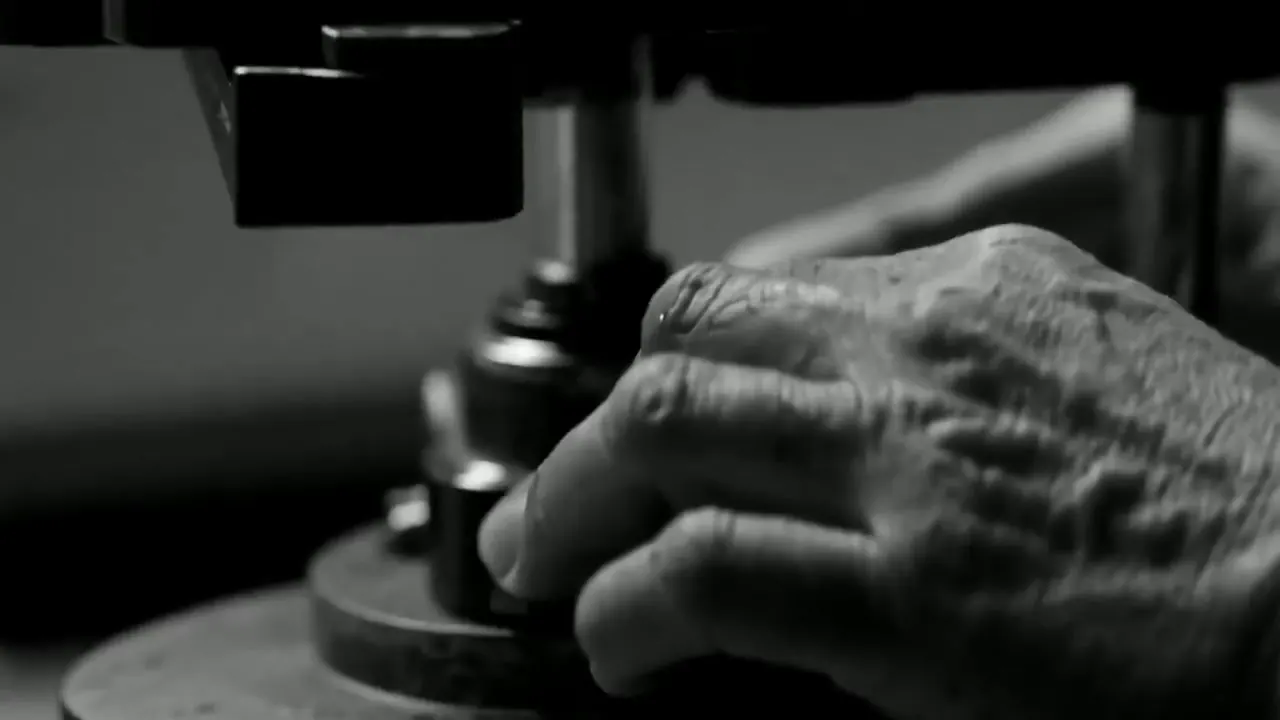
Gallons of wastewater treated every day across the United States.
FOR THE GUARDIANS
Operators are the heroes of this story.
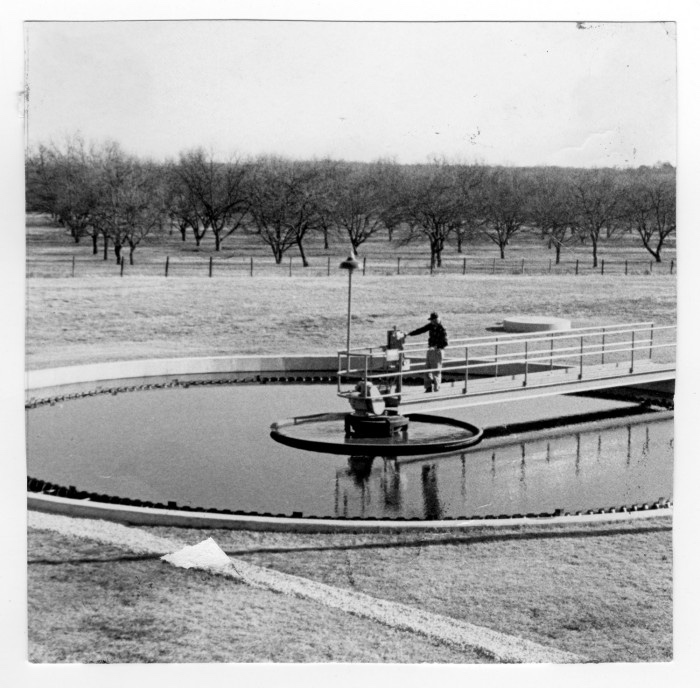
Across the U.S., a continental network of treatment plants returns the country's wastewater back to rivers safe enough for fish to live in, farms to draw from, and families to swim in. Certified operators stand watch over each one.
They are the final line of defense between toxic wastewater and our precious waterways. That responsibility deserves world-class tools.
Nyad is named for the Naiad — ancient Greek guardians of rivers and freshwater. That name is a promise: to build technology worthy of the people protecting our water every day.
Publicly owned treatment works keeping America's waterways viable.
People in the U.S. served by these plants, every shift, every day.
Certified operators eligible to retire within the next ten years.
Built for the people who keep our water clean.
Every shift, an operator balances chemistry, biology, equipment, and compliance, watching over a living plant in real time. Nyad gives them a co-pilot for the hardest, slowest part of that work: biological reads in seconds, decisions grounded in plant context, and an institutional memory that learns the patterns of every basin. Built shoulder-to-shoulder with operators in active plants, never above them.
Part 01 · The Invisible Work
The microscopic system that makes modern life work.
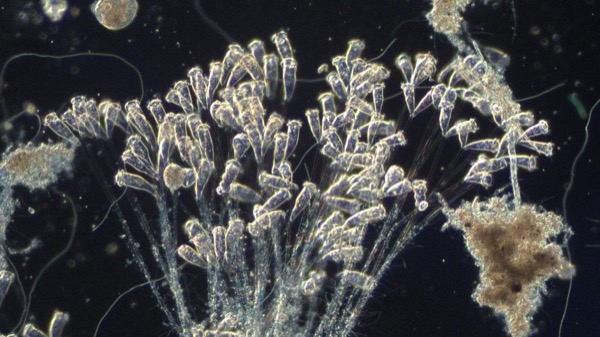
Cholera. Typhoid. Dysentery. Whole cities once collapsed from things we now flush away without a thought. The reason we don't is one of the most underappreciated achievements of the modern world: a network of treatment plants where bacteria, protozoa, metazoa, and skilled human operators work in concert to return industry's worst back to the natural world. These plants are biological reactors, alive and running 24 hours a day, 365 days a year.
This process is something called activated sludge.
Part 02 · The Stakes
Problems that begin in the plant end up in the waterway.
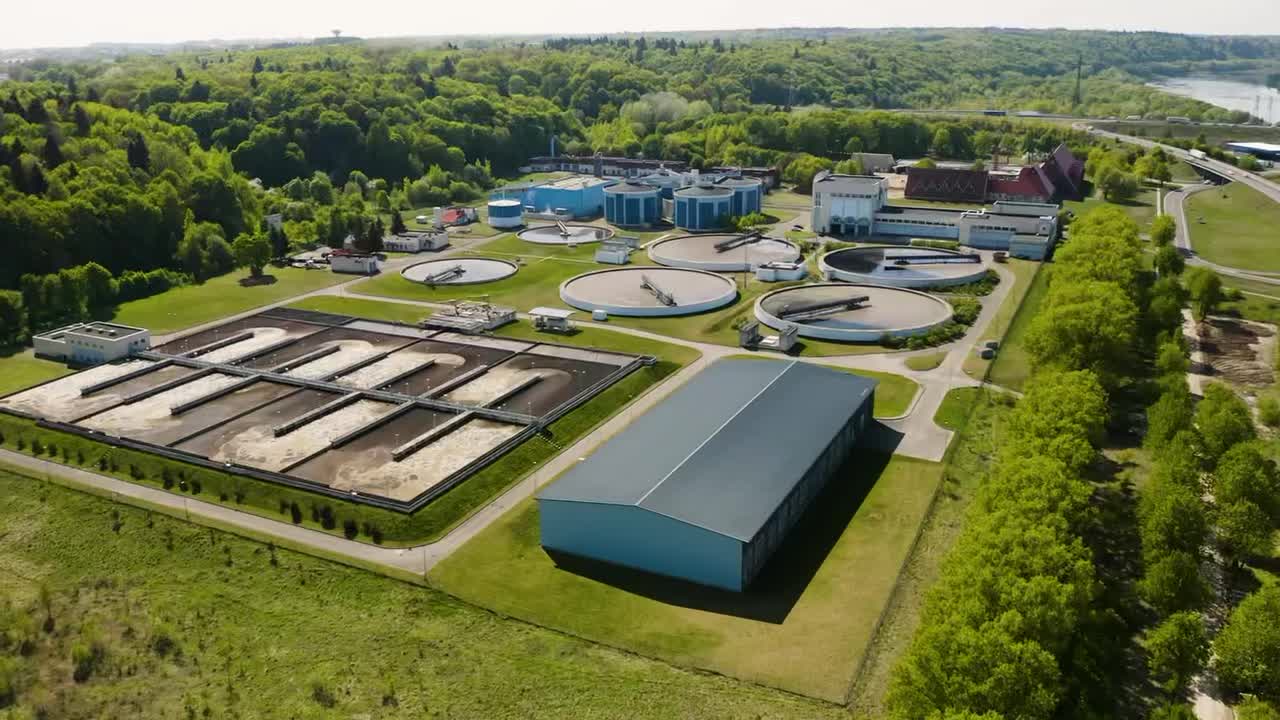
The microorganisms inside a plant are alive, and like anything alive, they can be poisoned, starved, or thrown out of balance in a matter of hours. When that happens and no one catches it in time, the consequences are real and measurable. These permit violations can result in costly financial and compliance burdens.
In 2018 alone, the EPA estimated nearly 11,000 facilities significantly exceeded their Clean Water Act discharge permits. In most cases, operators were watching closely; the problem is that by the time their lab results came back, the damage was already done. It's a timing problem, and it's solvable.
"The bacteria show stress days before BOD or TSS removal deteriorates."
Part 03 · The Reality
The breakthrough that never became routine.
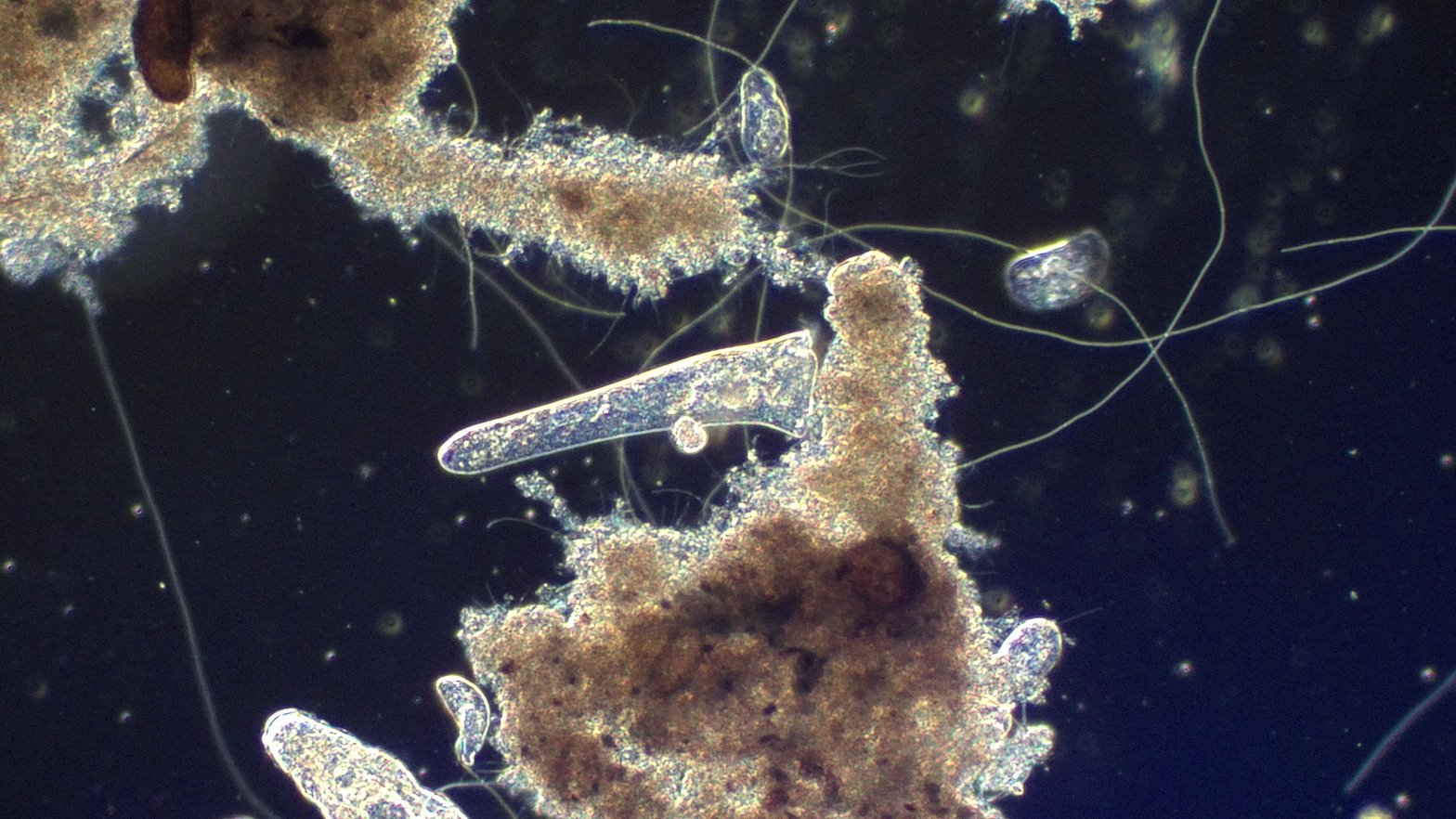
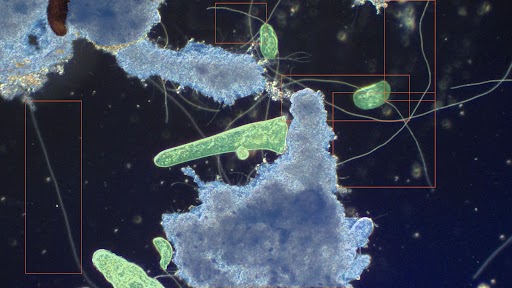
In the 1970s, D.H. Eikelboom showed that filamentous bacteria visible under a microscope could explain the bulking, foaming, and process upsets. It was a genuine breakthrough with a durable lesson: when operators check biology on a regular basis, they can act before a plant drifts into crisis.
Daily microscopic examination has been considered standard practice ever since. The plants that keep up with it run better for it.
Part 04 · The Shift
Daily biology changes everything.
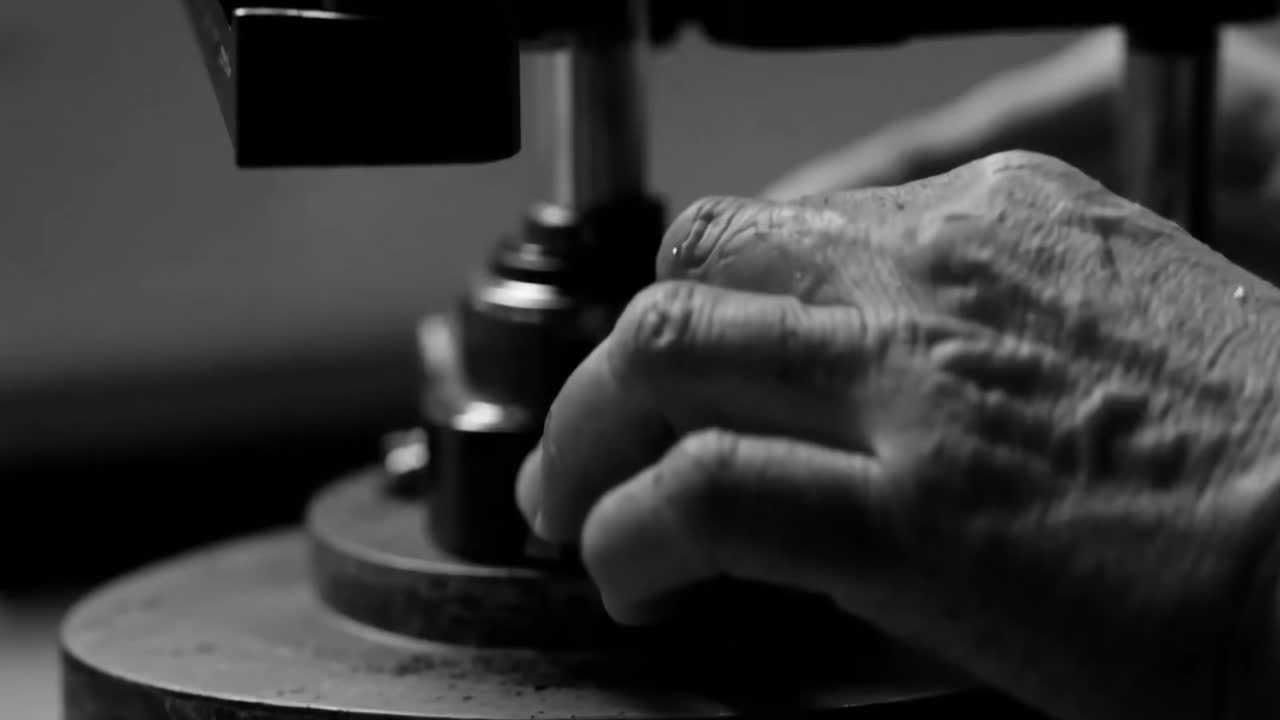
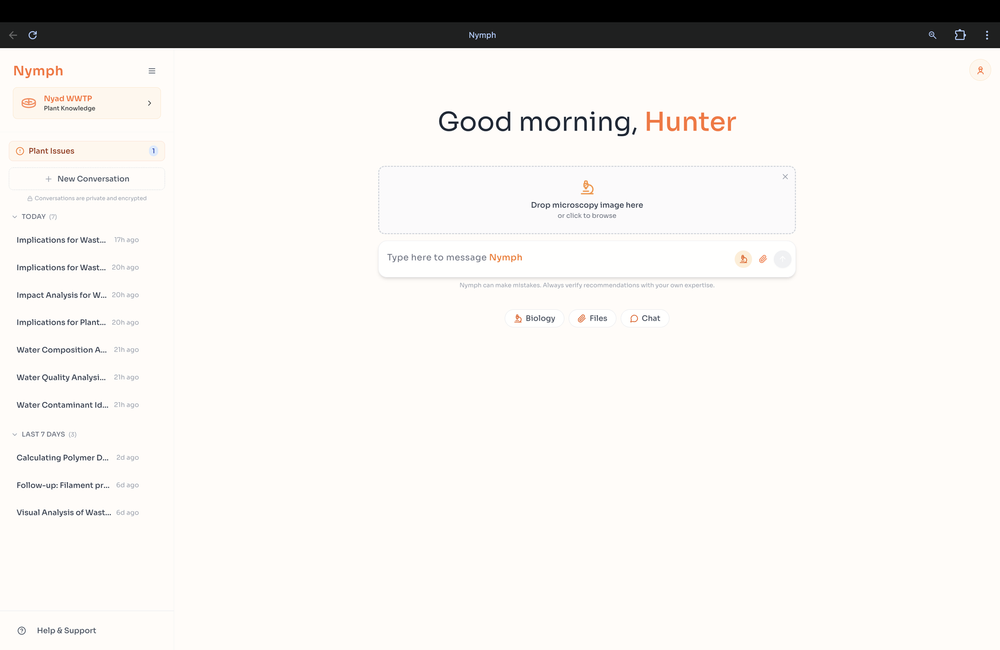
An operator captures an image through the microscope. Nymph, our AI co-pilot, identifies and quantifies the key microorganisms in seconds: protozoa, metazoa, filamentous bacteria, floc structure. It compares today's read to yesterday's, last week's, and the plant's healthy baseline, then tells the operator what those populations mean for the process right now.
The result is a daily microscope check that finally happens on every shift, fast enough to stop problems early.
Part 05 · The Workforce Cliff
The institutional memory of clean water is about to walk out the door.
The EPA has been raising the alarm for years: between 30 and 50 percent of America's water and wastewater workforce is eligible to retire within the next ten years. The median operator is 48 years old. Fewer than 5 percent are under 25. When these operators retire, they take with them decades of pattern recognition that was never written down.
- 88%
of the water workforce is over 45
- 4.5%
are under the age of 25
- ~10K
positions need filling per year
- 27,550
projected wastewater openings by 2031
Part 06 · Why Now
Three things became true at the same time.
For the first time in the history of this industry, the technology, the workforce, and the water itself have all arrived at the same inflection point.
-
The biology is finally legible to a machine.
Computer vision crossed a threshold where it can do, reliably and at scale, what has always required slow, specialist bench work.
-
The workforce is leaving.
Every plant in America will soon have an operator in their first or second year doing the job their predecessor did for thirty. They need a co-pilot, not a manual.
-
The water itself is under pressure.
Drought, PFAS, industrial growth, aging infrastructure. The margin for error in treatment has never been thinner.
Part 07 · Our mission
Make every plant smarter without taking the operator out of command.
Nyad builds intelligent systems for the people responsible for clean water. We combine biological analysis, plant context, and practical AI so operators can diagnose earlier, respond faster, train the next generation, and keep communities protected.
We are not replacing the human craft of wastewater treatment. We are making that craft visible, teachable, scalable, and supported by software worthy of the stakes. The guardians of our water have carried this responsibility long enough alone.
Bring Nymph to your plant.
Questions about pilots, pricing, or how Nymph fits your operation? Start the conversation and we will follow up directly.