
Virginia Szepietowski
Founder & CEO
Captain.
Second-time founder & bodybuilder.

Founder & CEO
Captain.
Second-time founder & bodybuilder.

Founder & COO
Mission control.
Triathlete & sharp shooter.
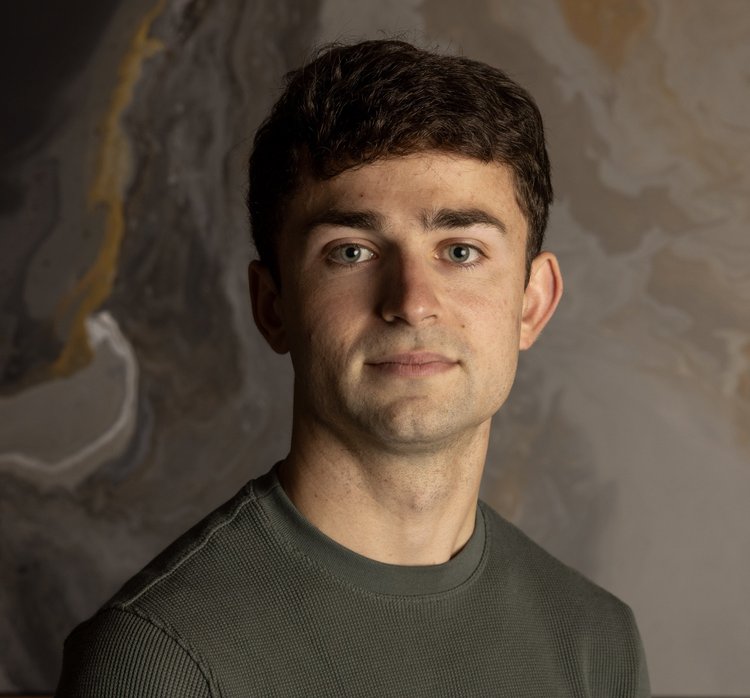
Founding Engineer
Building the tools.
Marathoner & aspiring Olympian.

Environmental Intelligence
Expanding the knowledge.
Antarctic explorer.

Computer Vision
Teaching the models.
The man, the mith, the legend.

Content
Shaping the narrative by day.
Doomscrolling by night.

Microbiology Consultant
Naming the biology.
Shepherd of the floc.
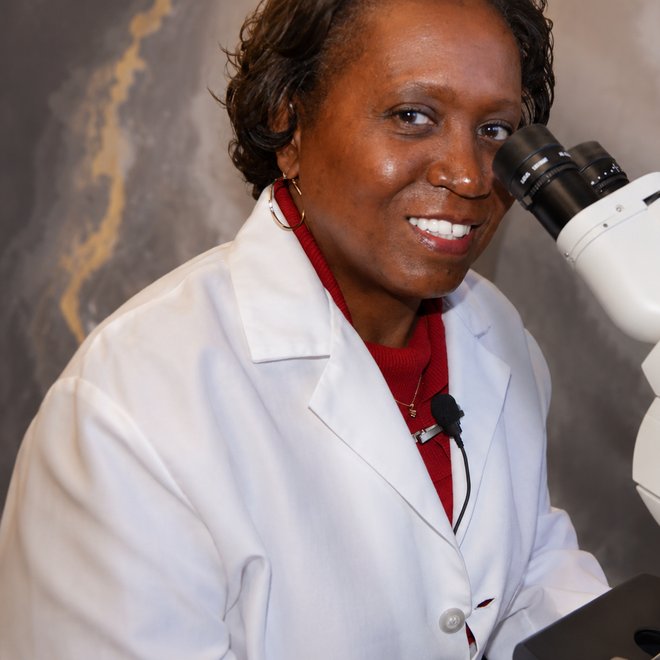
Wastewater Consultant
Verifying the process.
Bug whisperer.

Protozoologist
Reading the biology.
Wrestling coach.
Patent
A patented system for capturing microscopy images of activated sludge, classifying organisms and floc characteristics using deep learning, and generating corrective action recommendations in real time.
Fig. 1 - System architecture
An operator collects a sludge sample and places it on a slide, which is then imaged through a microscope and sensor. That data routes through the cloud to a five-component processor stack: Preprocessing (30), Training (32), Attribute Recognition (34), Density Recognition (36), and Correction (38).
prediction database stores all training data and deployed models. Results are delivered to a user interface device, giving operators actionable output without manual microscopy or lab turnaround.
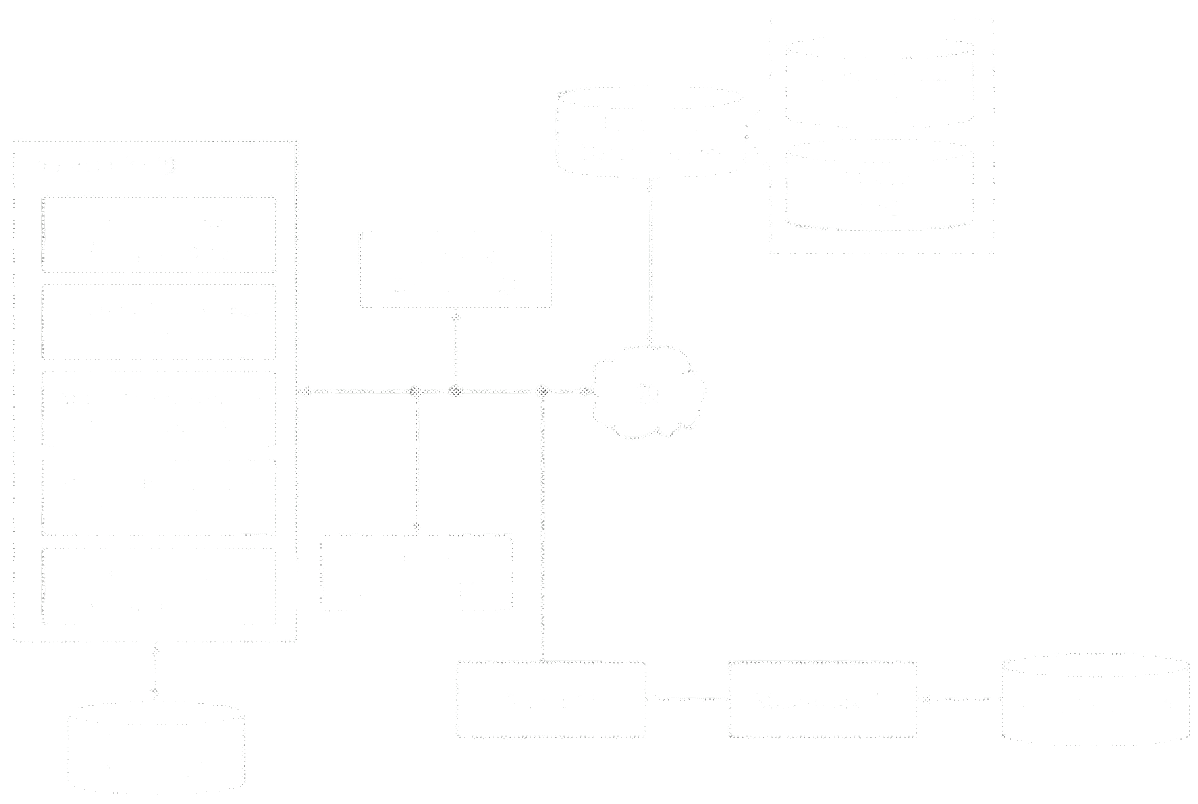
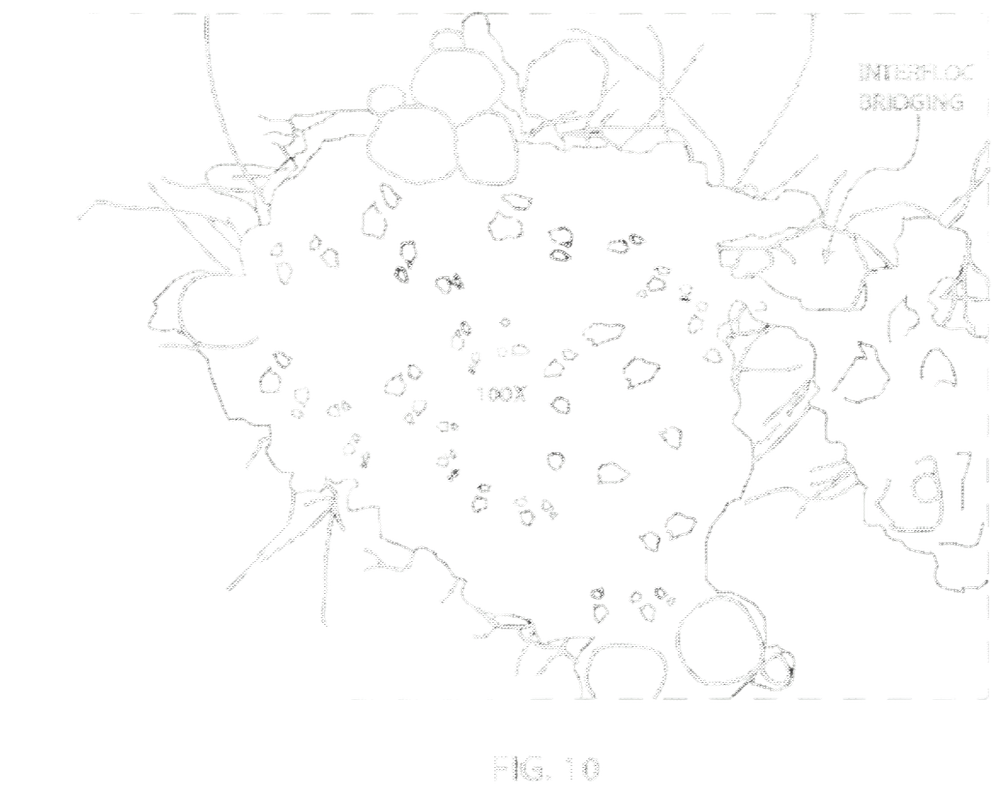
FIG. 10 shows interfloc bridging at 100x magnification - filamentous organisms growing between and connecting individual floc particles. This is a key early indicator of filamentous bulking, where the sludge mass knits together, impairing settling performance in the clarifier before the problem becomes severe.
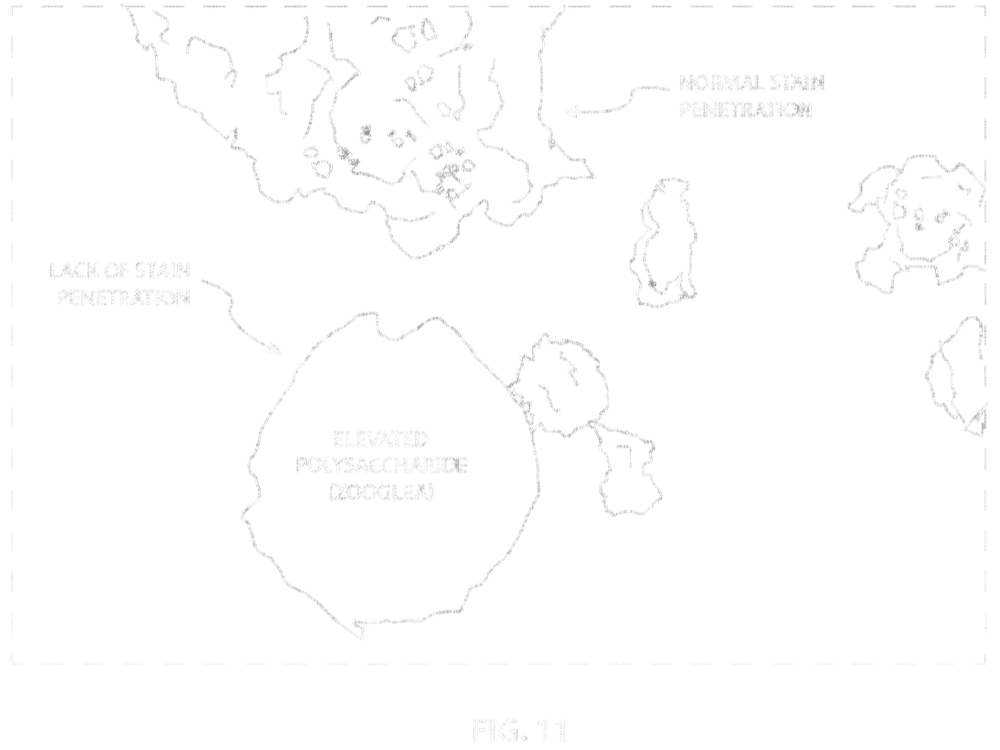
FIG. 11 contrasts normal stain penetration with lack of stain penetration, which indicates elevated polysaccharide - a condition associated with Zooglea-dominant sludge. Elevated polysaccharide is typically caused by high organic acid loading or low dissolved oxygen, and results in a viscous, poorly settling sludge.
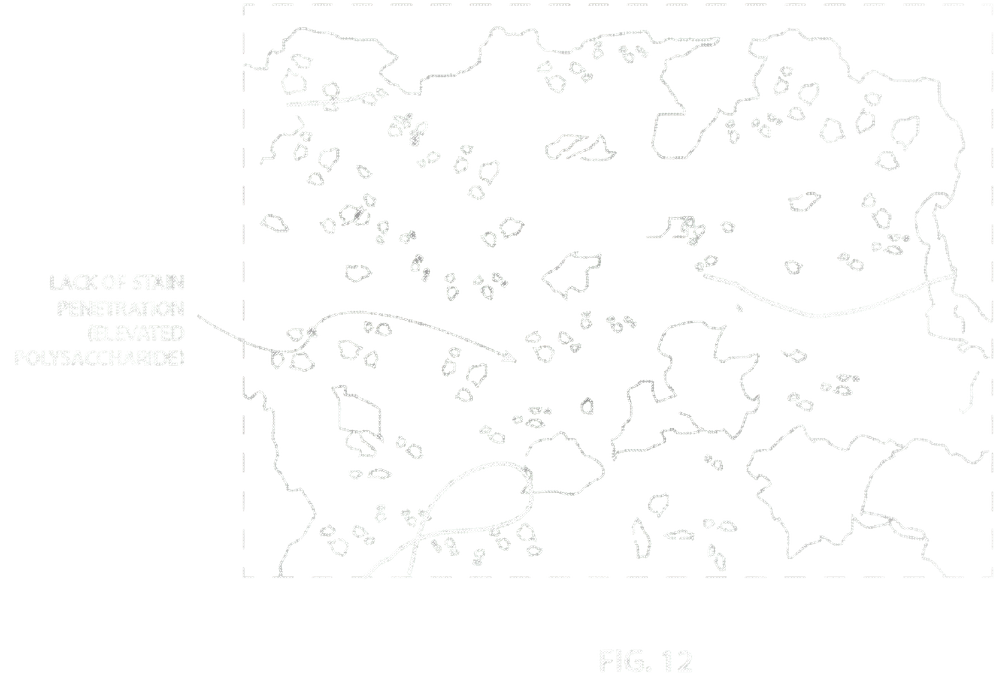
FIG. 12 shows a real sample with stain penetration analysis, indicating elevated polysaccharide within the floc matrix itself. The system detects this characteristic automatically from the image - without requiring an operator to manually interpret staining results or compare against reference slides.
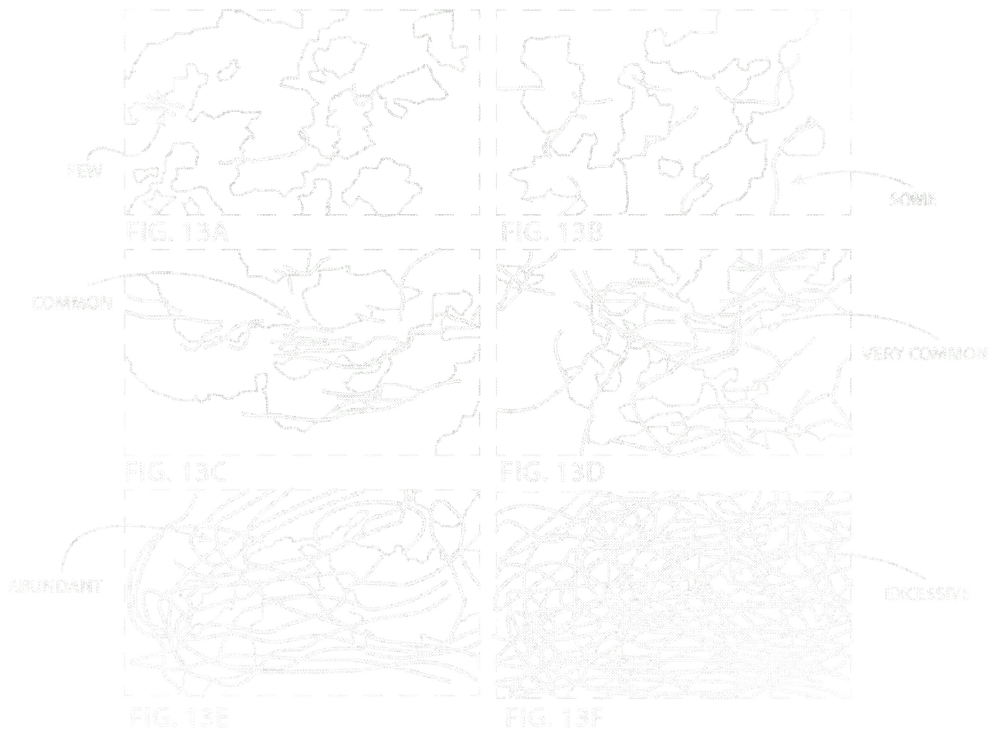
The system quantifies filamentous organism density across six levels: Few (13A), Some (13B), Common (13C), Very Common (13D), Abundant (13E), and Excessive (13F). Density grading determines the urgency and specificity of the corrective recommendation.
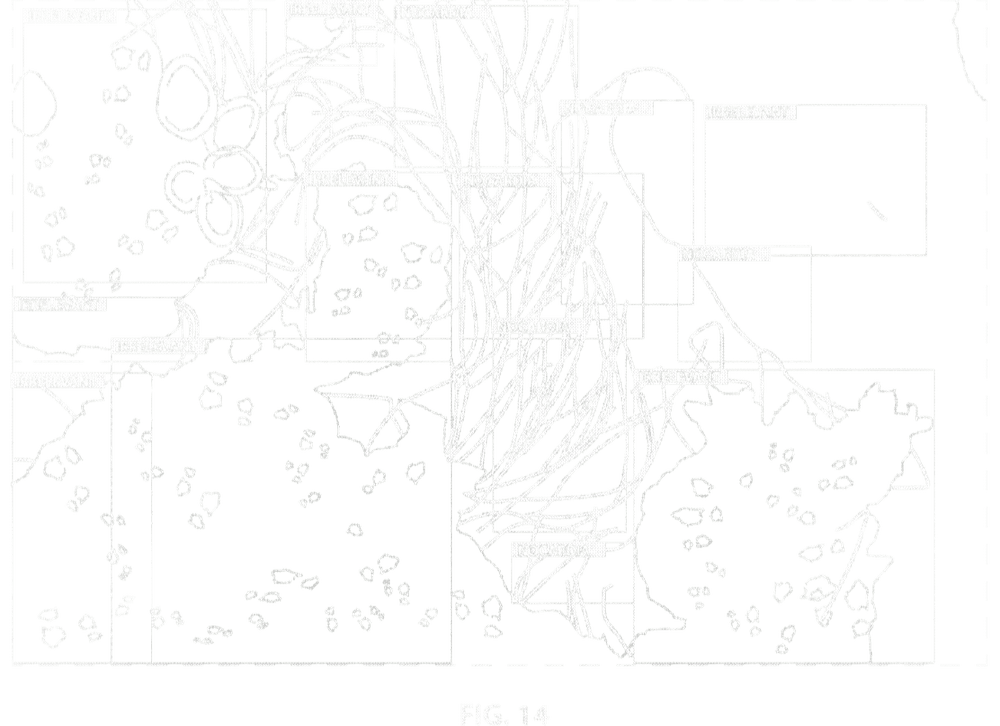
FIG. 14 shows live detection output on an actual sludge sample. The system draws bounding boxes around detected organisms, classifying each one by type and filtering out irrelevant objects in the same frame. Here, Nocardia is identified across multiple locations within a single microscopy frame.
Patent details
Application No. 16/701,725
Filed: December 3, 2019
Granted: January 31, 2023
Expires:
December 3, 2039
Status: Active
Inventors
Classification
Computer Vision · Deep Learning · Microscopy Image Analysis · Real-Time Process Control
Security & Trust
Nyad is certified to ISO/IEC 27001 and has received a SOC 2® Type 2 report. Your plant data is encrypted in transit and at rest, isolated per facility, and stored in the United States.


Questions about pilots, pricing, or how Nymph fits your operation? Start the conversation and we will follow up directly.